Charming location. Service is 5 Stars. Very attentive and nice. I ordered Francesinha and quite honestly, I did not like it. The sauce was my least favorite We ordered other items and they all loved their food. Home like food. I would definitely come back but not for Francesinha. Maybe it's just me.
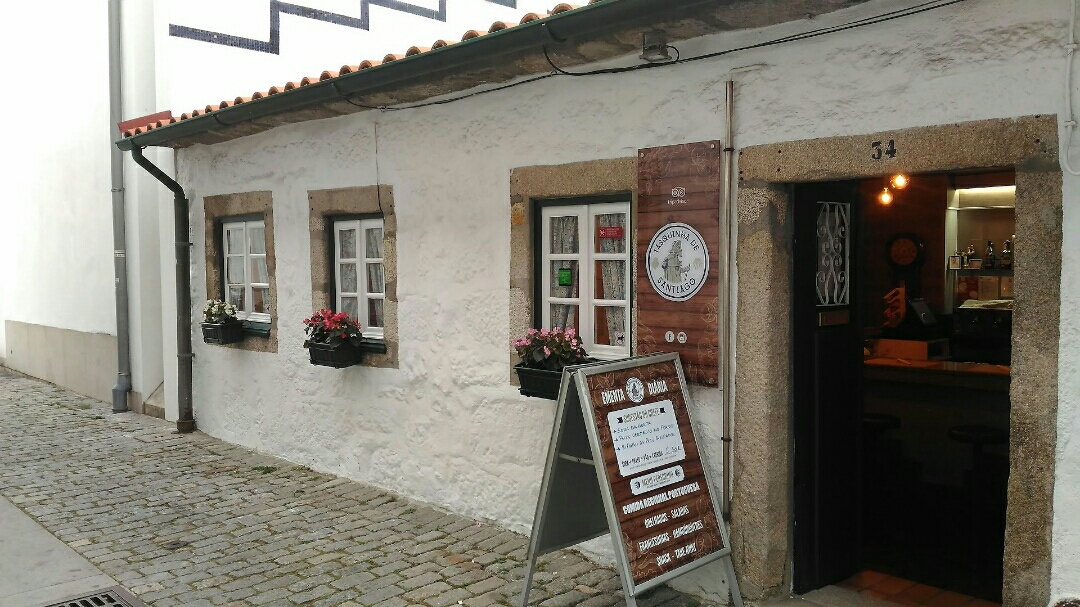
Overview
If you ever find yourself wandering through the charming streets of Viana do Castelo, make your way to Tasquinha De Santiago at R. Maj. Xavier da Costa 34, 4900-482 Viana do Castelo, Portugal. Tucked into a quiet corner of the historic center, this cozy Portuguese restaurant feels less like a commercial dining spot and more like stepping into someone’s well-loved family kitchen. I visited on a breezy spring evening after exploring the waterfront, and from the first warm greeting, it was clear this place runs on heart as much as skill.
The menu focuses on traditional Portuguese cuisine, especially regional dishes from Minho. Think grilled sardines, octopus rice, bacalhau prepared in multiple classic styles, and hearty meat plates served with rustic potatoes and fresh greens. During my visit, I ordered the polvo à lagareiro-octopus roasted with olive oil and garlic. The texture was tender without being rubbery, which, as any seafood lover knows, requires precise timing and temperature control. Proper octopus preparation often involves pre-freezing or slow simmering to break down muscle fibers, a method recommended by culinary professionals and widely practiced in coastal Portugal. Here, the kitchen clearly understands the science behind it.
One thing that stood out was the emphasis on local sourcing. According to data from the European Commission, Portugal maintains one of the highest per capita seafood consumption rates in Europe, at over 50 kilograms per person annually. Restaurants in coastal towns like Viana do Castelo rely heavily on daily catches. The freshness at this diner reflects that statistic perfectly. The grilled fish tasted clean and vibrant, drizzled simply with olive oil and paired with seasonal vegetables. Nothing felt overcomplicated. Instead, the focus remained on balance and authenticity.
The atmosphere plays a big role in the overall experience. Stone walls, wooden tables, and shelves lined with regional wines create an intimate setting. It’s the kind of place where conversations flow easily. I noticed a mix of locals and travelers, which is usually a strong indicator of quality. Locals don’t return unless the food and service consistently meet expectations. Online reviews echo this sentiment, frequently praising the attentive staff and fair pricing. While reviews can vary depending on personal taste, the overall reputation leans strongly positive, particularly for traditional flavors and generous portions.
The service deserves its own mention. Our server walked us through the daily specials, explaining the preparation methods and offering wine pairings from the Douro and Vinho Verde regions. Portugal’s wine industry, recognized by organizations such as the International Organisation of Vine and Wine, is globally respected. Pairing vinho verde with seafood is not just a suggestion-it’s practically cultural wisdom. The crisp acidity cuts through the richness of olive oil-based dishes, enhancing every bite.
What also impressed me was the pacing. In many tourist-heavy locations, meals feel rushed. Here, courses arrived at a relaxed rhythm. Bread and olives first, then the main dish, and finally a traditional dessert-serradura, a layered cream and biscuit treat that felt both light and indulgent. The process reflected genuine hospitality rather than turnover-driven service.
It’s worth noting that the dining room isn’t very large. During peak summer months, securing a table may require a reservation. That limitation, however, contributes to the intimate charm. Smaller spaces often allow better quality control, and in this case, it works in the restaurant’s favor.
From technique to ingredient quality and atmosphere, this spot captures the essence of northern Portuguese dining. It doesn’t try to reinvent tradition. Instead, it refines it. The result is an experience that feels both grounded and memorable, shaped by regional identity and a clear respect for culinary heritage.
Good to know
Service options
✓ Outdoor seating ✓ Takeaway ✓ Dine-in ✓ DeliveryHighlights
✓ Great coffee ✓ Great dessert ✓ Great wine listPopular for
✓ Lunch ✓ Dinner ✓ Solo diningAccessibility
✓ Wheelchair-accessible car park ✓ Wheelchair-accessible entranceOfferings
✓ Alcohol ✓ Beer ✓ Coffee ✓ Quick bite ✓ Small plates ✓ Spirits ✓ WineDining options
✓ Breakfast ✓ Lunch ✓ Dinner ✓ Dessert ✓ Seating ✓ Table serviceAmenities
✓ Bar on site ✓ Gender-neutral toilets ✓ ToiletAtmosphere
✓ Casual ✓ Cosy ✓ QuietCrowd
✓ Family friendly ✓ Groups ✓ TouristsPlanning
✓ Accepts reservationsPayments
✓ Credit cards ✓ NFC mobile paymentsChildren
✓ Good for kids ✓ High chairsParking
✓ Free parking lot ✓ ParkingPhotos
1 / 4
Location
Reviews
- No ratings yet 379 reviews
Fantastic and charming little restaurant with lovely staff/owner. Me and my sons arrived very late due to a delayed flight and they were more than happy to accommodate us. The food was excellent and so was the traditional feeling inside. Here for a few days but Will definitely be back
Very cute little place. Cozy interior and great food. Nice owner and staff. We had chicken there and were really happy with it. Reasonable prices, perfect for pilgrims of the Santiago way.
Very nice place to eat, pilgrim friendly. The food is standard fare. The sausage with egg and fries, and the rice shrimp plates were good, the vegetable soup was very good. Meal also included bread, coffee.
Restaurant serves typical dishes of the region. And you can also try some Brazilian dishes like bife à brasileira or picanha, (with rice, beans, farofa), in addition to the traditional pudim de leite for dessert. The place is small, but if there's a queue, it's worth the wait to be served.
Great atmosphere, welcoming to pilgrims of the camino and others. Great chef, and the food was also very good and well seasoned.
Excellent, pilgrim friendly menu for 5.50€. Friendly owners and good service. Tucked in nice back street. Tastefully decorated including images of Camino and Saint James.
The food here is delicious and the men who took our order were very kind.